Frank UreñaPhD · MD Candidate

Physician-Scientist · Translational Immunology

Frank UreñaMD, PhD (c)

PhD immunologist and MD candidate with postdoctoral training at Harvard Medical School / MGH. I study how immune cells make decisions — and train to treat the patients those decisions affect.

PhD · Molecular BiosciencesHarvard / MGH PostdocMD Candidate · SGU4 Peer-Reviewed Publications100+ Citations
Frank Ureña, MD/PhD candidate

Current

MD Candidate

St. George's University

Nature Biomed Eng

62 citations

Trained & Published At

Harvard
MGH
Wyss Institute
UH Mānoa
St. George's
NHS
Nature

0

Peer-Reviewed Publications

All first / co-first author

Nature Biomed Eng · JBC · JLB · Sci Rep

0+

Total Citations

Google Scholar

Across 4 publications

0.1

Peak Impact Factor

Nature Biomedical Engineering

Top-decile translational journal

0+

Years Research Experience

Continuous laboratory work

CRO → PhD → Harvard postdoc

Research Focus

Molecular science in service of patients.

My research spans three interrelated domains — each grounded in rigorous molecular science and oriented toward understanding disease at the level that changes what physicians can offer.

T-Cell Biology & Immunoengineering

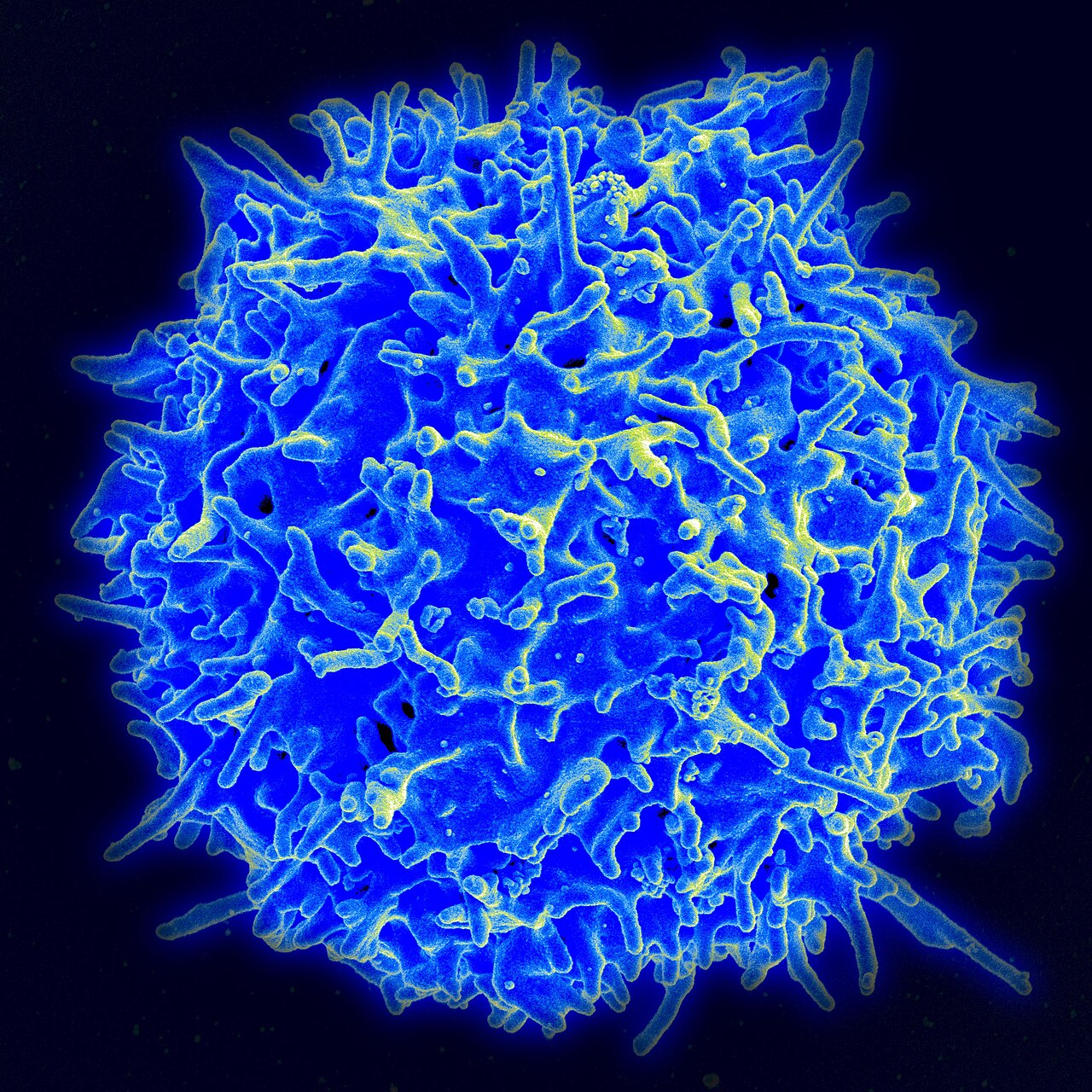
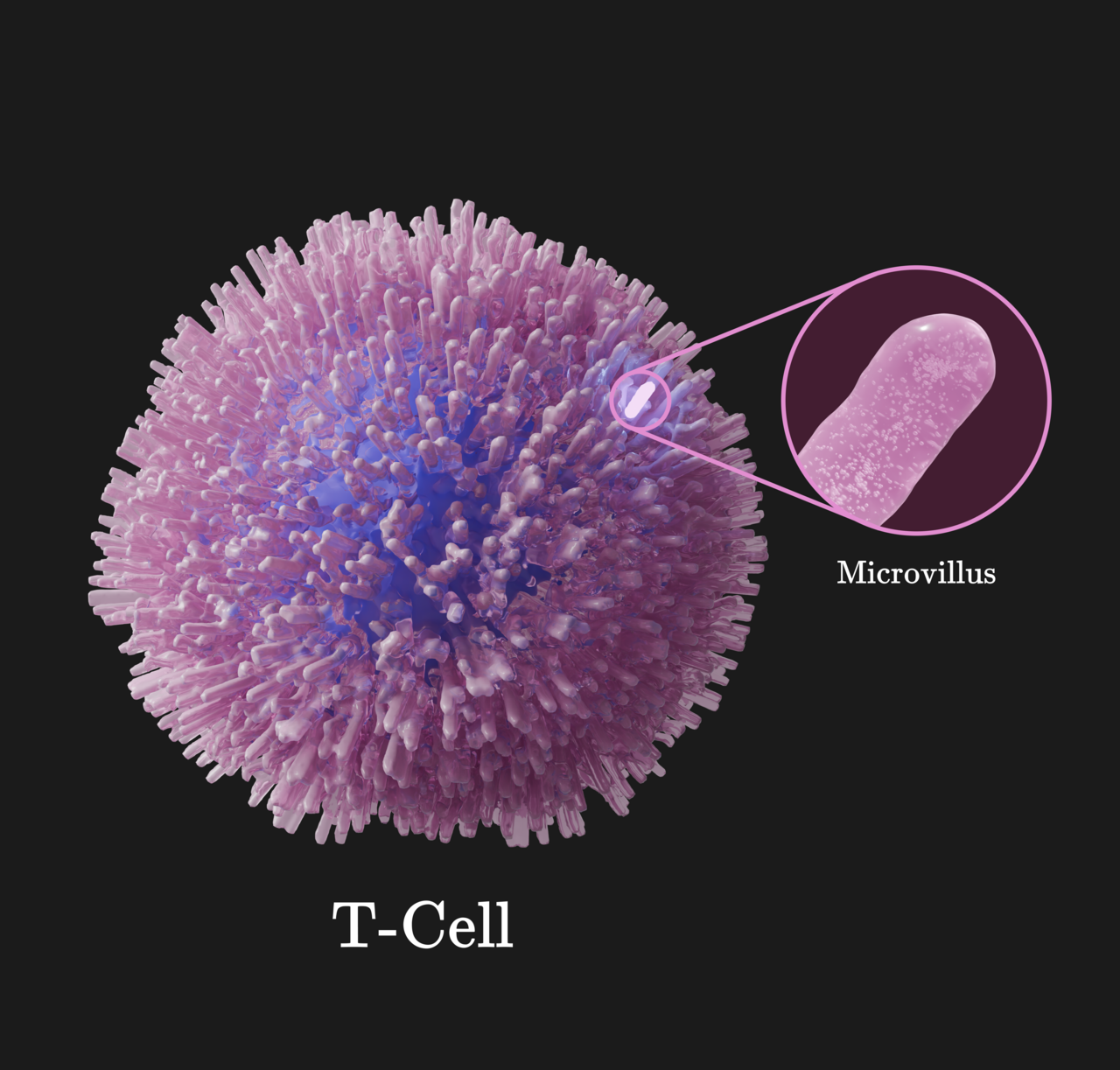
Investigating how microRNAs and signaling cascades — particularly the miR-15a/16–MEK1–ERK1/2–Elk1 axis — govern T-cell activation and proliferative capacity, with implications for autoimmunity, oncology, and post-surgical immune regulation.

Biomaterial & Organoid Platforms

Designing immune-instructive biomaterials and patient-derived organoid systems that recapitulate disease microenvironments — bridging bench discoveries to testable therapeutic hypotheses.

Translational Immunology

Connecting molecular-level discoveries in immune signaling to measurable clinical outcomes — spanning oncology, infectious disease, and chronic inflammatory conditions.

Selected Work

Publications

Nature Biomed EngIF 28.1202262 citations

Engineered mesoporous biomaterials that capture bacterial PAMPs in vivo generate durable immune protection against sepsis — a translational platform with direct relevance to post-surgical infection prevention.

Biomaterial vaccines capturing pathogen-associated molecular patterns protect against bacterial infections and septic shock.

Ureña F, et al. · Nature Biomedical Engineering (2022) · 10.1038/s41551-021-00756-3

Read paper
J Biol ChemIF 5.5202218 citations

Identified miR-15a/16 as a molecular brake on T-cell proliferation, demonstrating that activation-induced microRNA downregulation gates the MEK–ERK axis — a finding with therapeutic implications for autoimmunity and immunotherapy.

T-cell activation decreases miRNA-15a/16 levels to promote MEK1–ERK1/2–Elk1 signaling and proliferative capacity.

Ureña F, et al. · Journal of Biological Chemistry (2022) · 10.1016/j.jbc.2022.101639

Read paper
J Leukoc BiolIF 5.0202211 citations

Selenoprotein I functions as a metabolic regulator of T-cell fate decisions, shifting the Treg/Th17 balance — with implications for controlling post-operative inflammation and autoimmune flares.

Selenoprotein I deficiency in T cells promotes differentiation into tolerant phenotypes while decreasing Th17 pathology.

Ureña F, et al. · Journal of Leukocyte Biology (2022) · 10.1002/JLB.1A0122-080R

Read paper

Clinical Training

Medicine as the destination for science.

My clinical training is built on a simple conviction: the best physicians are the ones who understand disease at a molecular level. Every rotation sharpens my ability to ask the right question — and to know which experiments would answer it.

I have not yet committed to a specialty. I am deliberately keeping an open mind through clinical exposure, pursuing programs with strong research infrastructure and physician-scientist tracks.

Areas of Clinical Interest

  • Internal Medicine & Complex Disease
  • Oncology & Immuno-Oncology
  • Infectious Disease & Host Immunity
  • Serious Illness Communication
  • Evidence-Based & Translational Practice
“The physician-scientist is not two jobs — it is one vocation: to understand disease deeply enough to change it.”

Curriculum Vitae

Academic & clinical
record at a glance.

A decade of continuous research — from CRO preclinical studies to Nature-published biomaterials to Harvard postdoctoral fellowship — integrated with structured medical training and a commitment to building a physician-scientist career.

EducationPhD · MD (c) · Harvard Postdoc
Publications4 peer-reviewed, 100+ citations
InstitutionsHarvard · MGH · Wyss · JABSOM · SGU
ResearchTranslational immunology, biomaterials
TrackPhysician-scientist residency track

Available for residency interviews, research collaborations, and faculty conversations.